
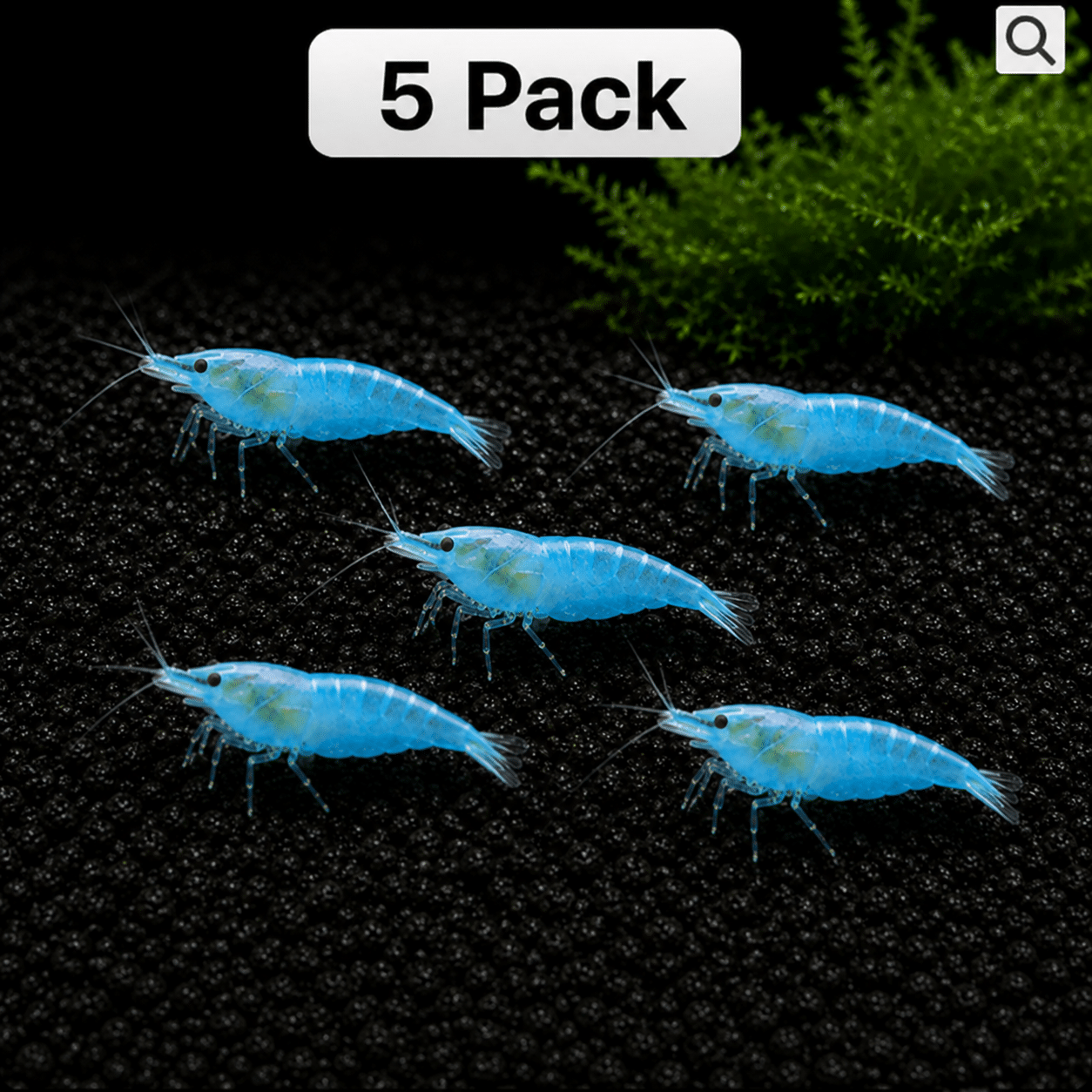

Description
Species Background
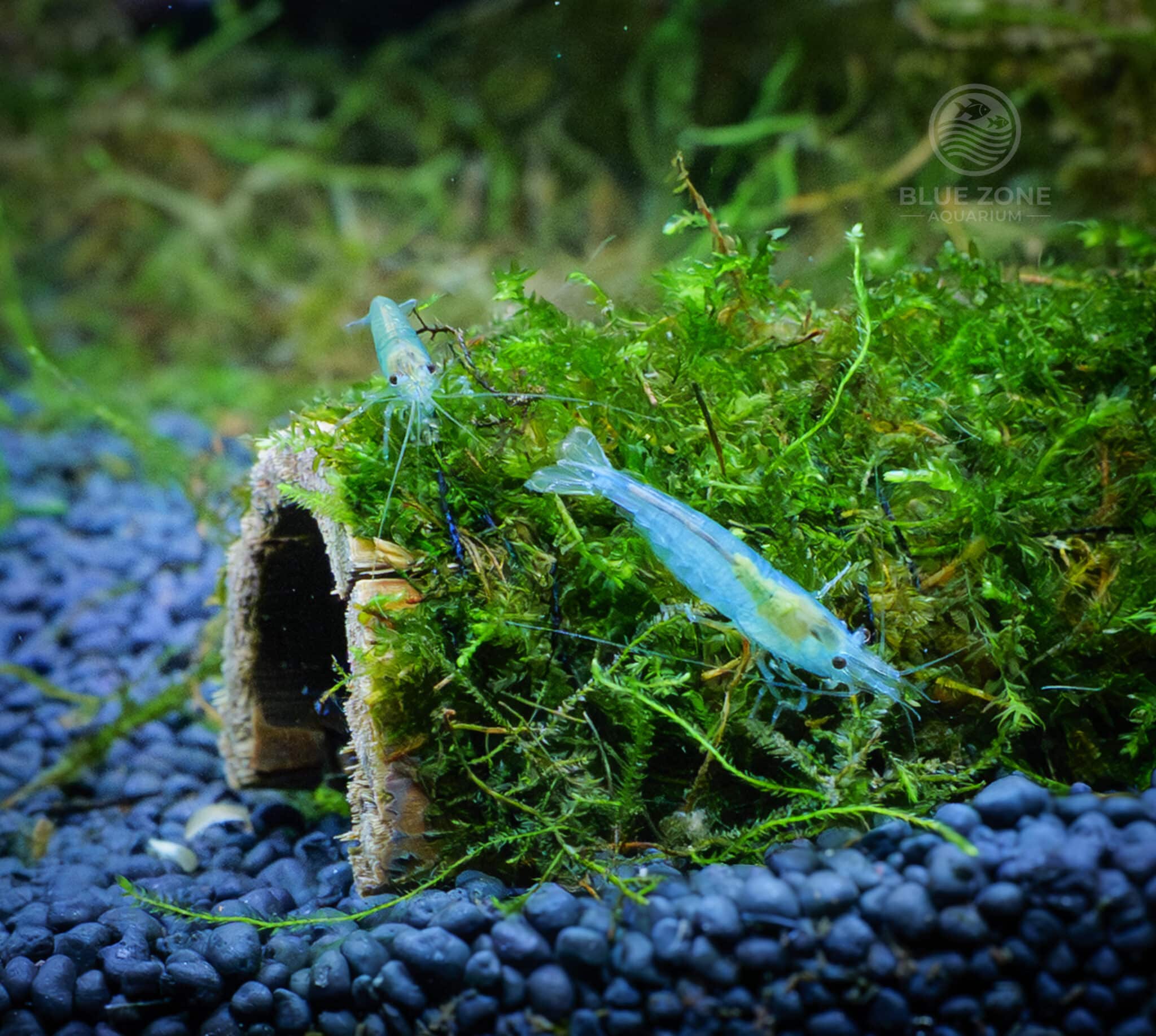
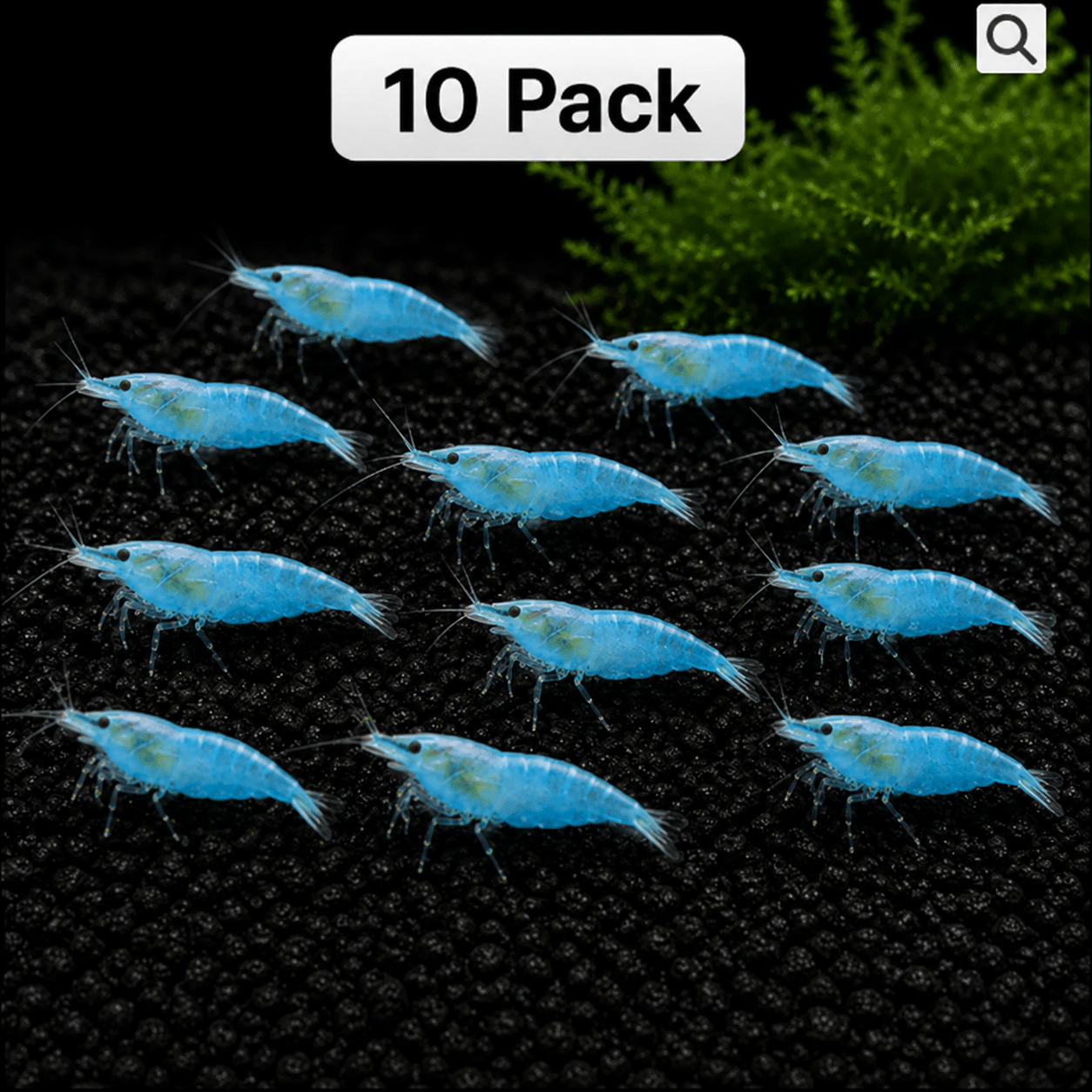
Blue Jelly Shrimp are a selectively bred color variety of Neocaridina davidi, the same species that produced the popular Cherry Shrimp line. This morph was developed through selective breeding to produce a soft, translucent blue coloration rather than the deep opaque blues seen in other varieties like Blue Dream. Because they are tank-bred and have been cultivated in captivity for many generations, they tend to be hardy and adaptable to a wide range of aquarium conditions.
They originate from the same ancestral lineage as wild Neocaridina shrimp native to Taiwan and parts of mainland East Asia, where they inhabit slow-moving streams, rice paddies, and densely vegetated waters.
Behavior and Temperament
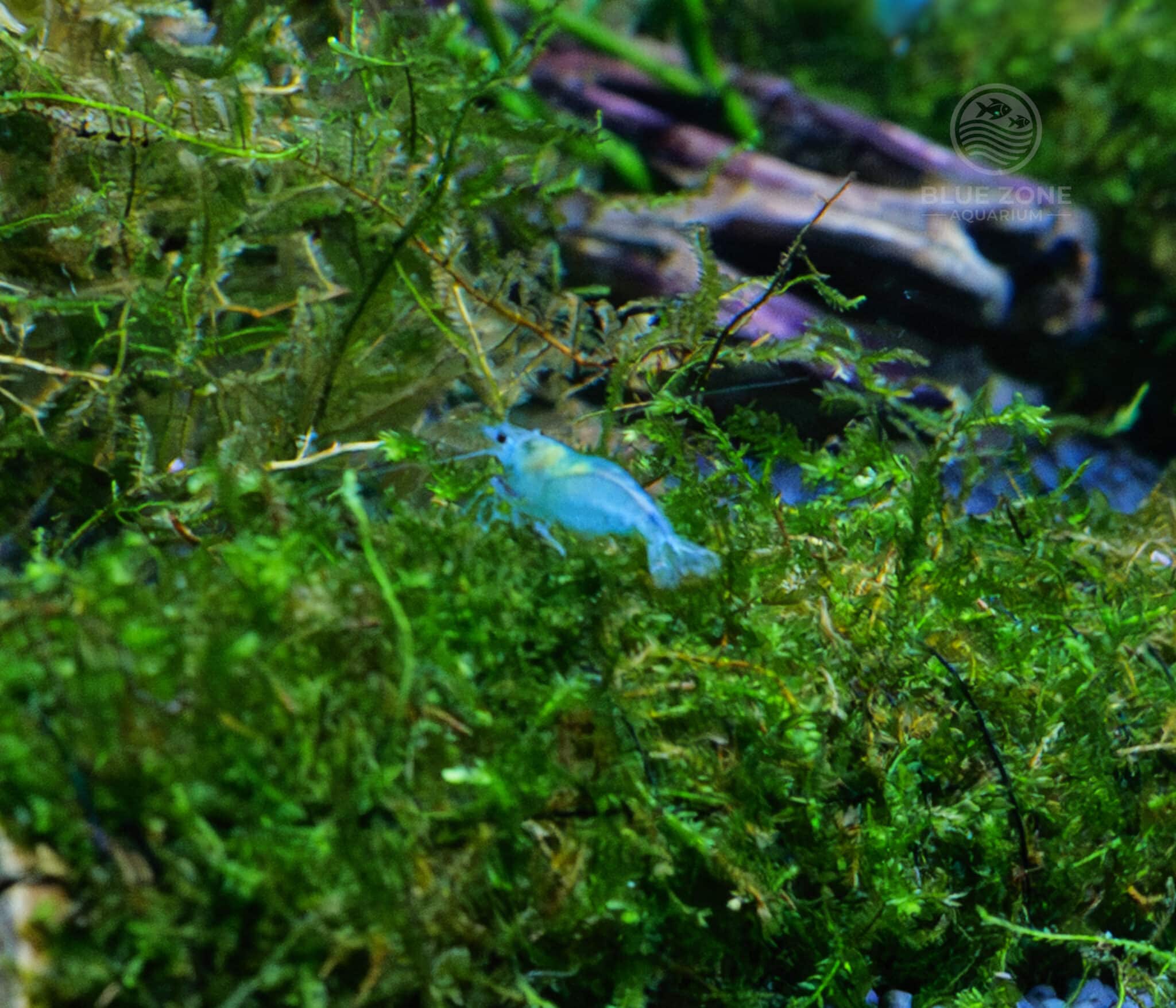
Blue Jelly Shrimp are peaceful micro-scavengers that spend most of their time grazing on surfaces throughout the aquarium. They constantly pick at biofilm, algae, and microscopic food particles on plants, rocks, and substrate.
They are completely non-aggressive and thrive in groups. In established aquariums they will form loose colonies and regularly interact with one another while feeding.
Because of their small size, they should only be kept with gentle tankmates that will not prey on shrimp.
Adult Size
Adults typically reach 0.8–1.2 inches (2–3 cm).
Females grow slightly larger and develop a broader abdomen used for carrying eggs.
Water Parameters
Temperature
68–78°F (20–26°C)
pH
6.5–8.0
GH
6–12 dGH
KH
2–6 dKH
Like most Neocaridina shrimp, Blue Jelly Shrimp tolerate a relatively wide range of conditions as long as parameters remain stable.
Diet
Blue Jelly Shrimp are omnivorous scavengers that feed primarily on biofilm and algae within the aquarium.
Supplemental foods can include:
Algae wafers
Shrimp pellets
Blanched vegetables (zucchini, spinach)
High-quality micro pellets or granules
In mature planted aquariums they often obtain much of their nutrition naturally.
Tank Requirements
A 5-gallon or larger aquarium is sufficient for a small colony, though larger tanks provide greater stability and room for population growth.
Dense plant growth, moss, and porous surfaces are highly beneficial because they support biofilm development and provide shelter for newly hatched shrimplets.
Sponge filters or shrimp-safe filtration are recommended to prevent small shrimp from being drawn into filter intakes.
Why They’re Popular
Blue Jelly Shrimp are popular because they combine the hardiness of Neocaridina davidi with a unique pastel-blue coloration that stands out in planted aquariums. Their constant grazing behavior makes them entertaining to watch, and they reproduce readily in stable freshwater setups, allowing hobbyists to establish thriving shrimp colonies over time.


Reviews
There are no reviews yet.