
Description
Species Background
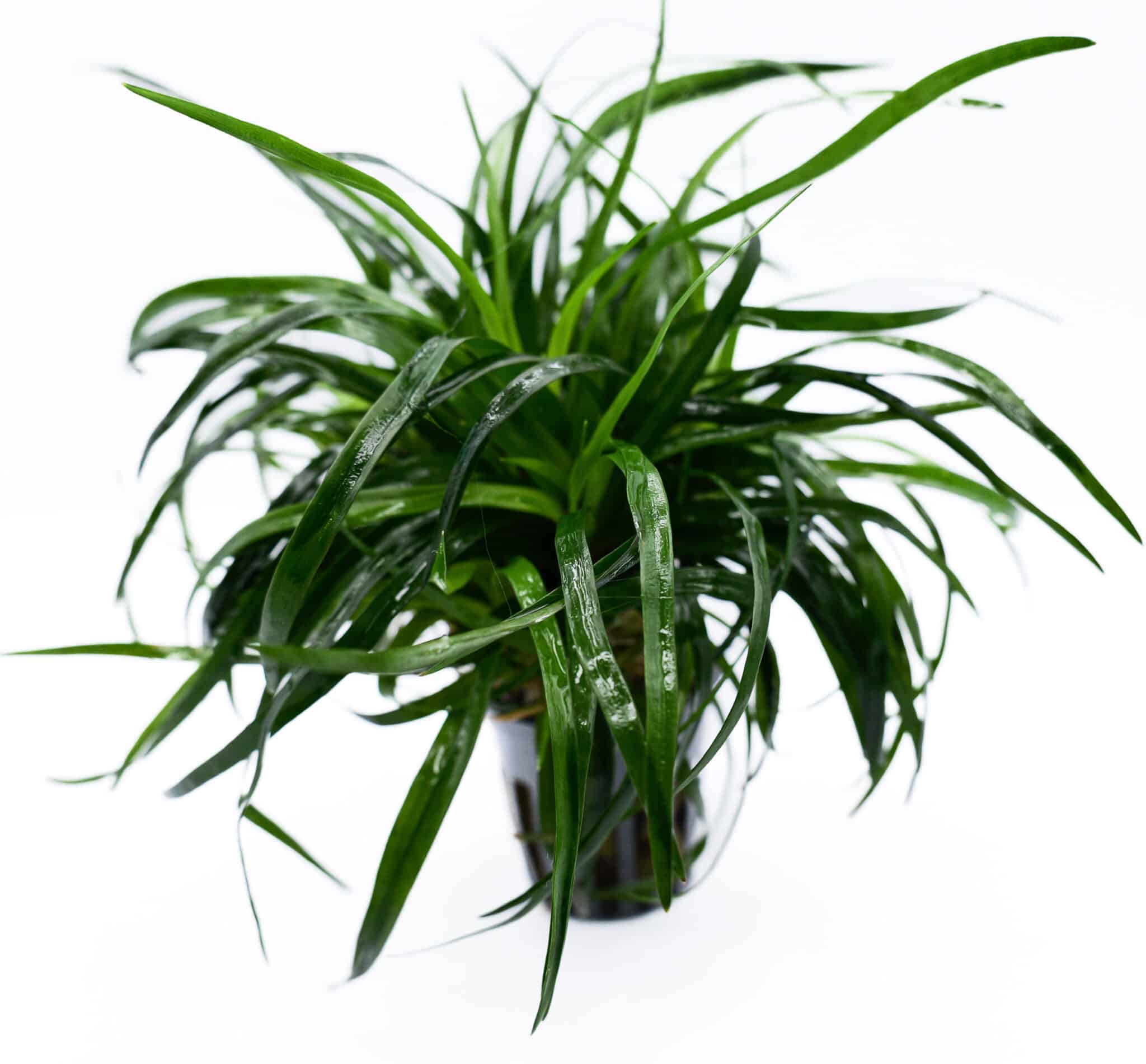
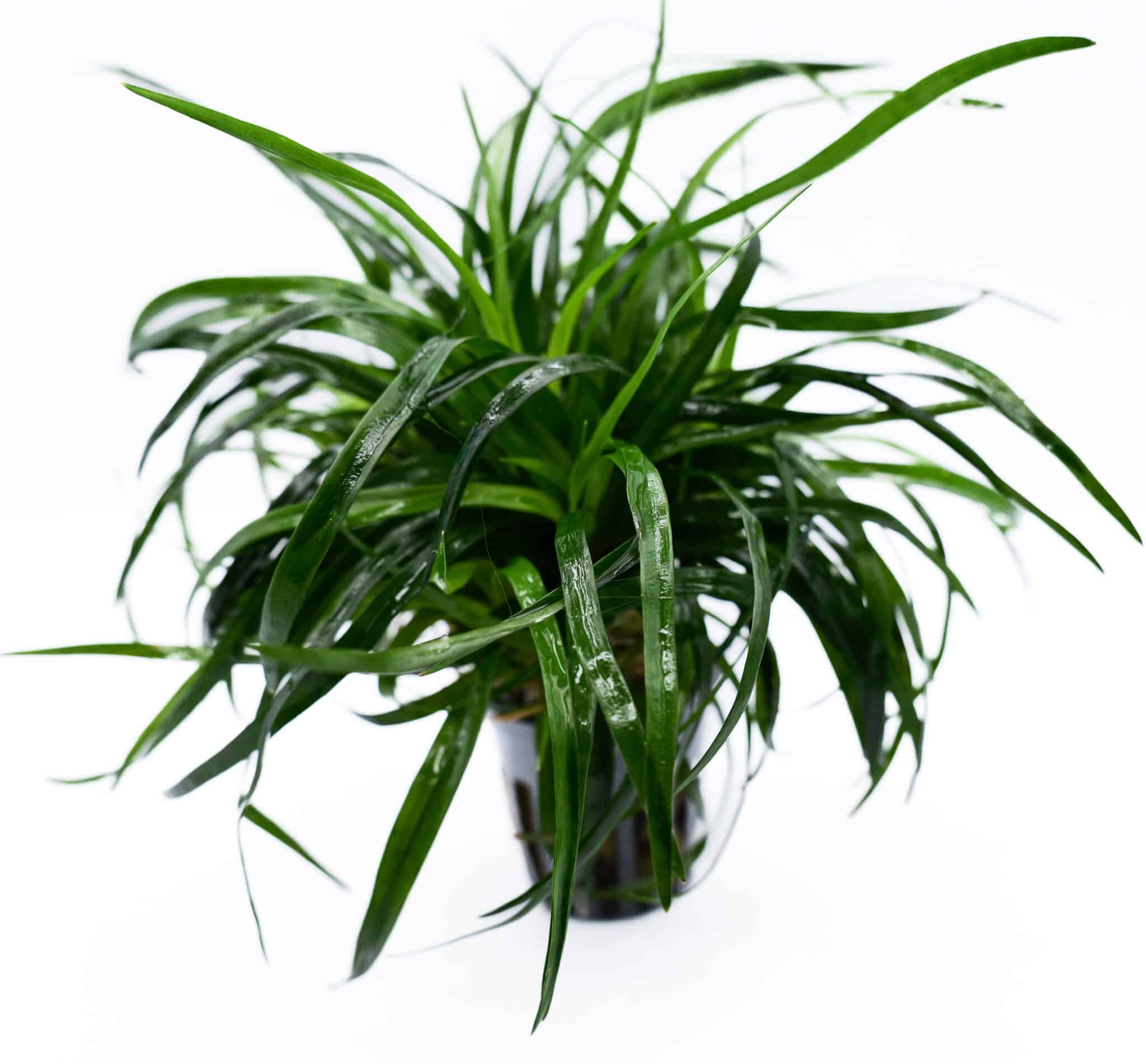
Eriocaulon sp. “Vietnam” is a rosette plant originating from Southeast Asia, where species in this genus grow in shallow wetlands, slow streams, and seasonally flooded areas. In the wild these plants often grow in sandy or nutrient-rich substrates with steady water movement and abundant light. In aquariums it has become popular among aquascapers for its distinctive grassy rosette form and structured appearance that contrasts nicely with stem plants and carpeting species.
Growth Behavior
This plant grows as a compact rosette from a central crown rather than spreading with runners. New leaves emerge from the center while older outer leaves slowly age out. Because it does not send out horizontal shoots, it stays where it is planted and forms a tidy clump over time. Under stable conditions the plant slowly becomes denser and fuller rather than spreading across the aquarium.
Size and Growth Form
Typically reaches about 3–6 inches in height with a tight radial rosette shape. Leaves are narrow and upright to slightly arching, creating a fountain-like structure. As it matures the plant forms a dense clump that fish and shrimp often explore while grazing or resting between the leaves.
Aquascaping Tip
Often used as a structured accent in open aquascapes where the dense grassy texture contrasts against stone, driftwood, or open substrate areas.
Water Parameters
Temperature: 70–82°F
pH: 5.5–7.2
GH: 1–8 dGH
KH: 0–4 dKH
Modern cultivated aquarium stock has adapted to a wider range of conditions than wild plants, but softer water and stable parameters generally produce the best growth.
Light Requirements
Medium to high lighting is recommended. Higher light helps maintain compact, dense growth while lower light can cause the plant to stretch and lose some of its tight structure.
CO₂ Requirements
CO₂ injection is recommended for best results. With stable CO₂ levels the plant grows more compact and healthy and establishes more reliably.
Nutrient Requirements
Primarily a root-feeding plant that benefits from nutrient-rich substrates such as aquasoil. Root tabs or rich planted substrates help maintain steady growth, while regular liquid fertilization supports overall plant health.
Tank Placement
Foreground to midground depending on aquarium size. In larger tanks it works very well as a structured foreground plant, while in smaller aquariums it often fits naturally into the midground. Shrimp and small fish frequently use the dense leaves as grazing and resting areas.
Why Aquarists Keep It
Aquarists value this plant for its clean structure, unique grassy texture, and controlled growth. Unlike many foreground plants it stays in a tidy clump and does not spread across the substrate, making it ideal for layouts that rely on open space and defined plant groupings.
Blue Zone Aquarium Note
This is one of our favorite foreground plants. It remains small and dense, doesn’t require trimming, and doesn’t spread all over the place. It’s perfect for open areas of an aquascape where you want an easy maintenance plant with a clean natural look. In our 25-gallon tank it looks stellar as a foreground plant.
Reviews
There are no reviews yet.