
Description
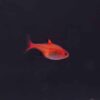
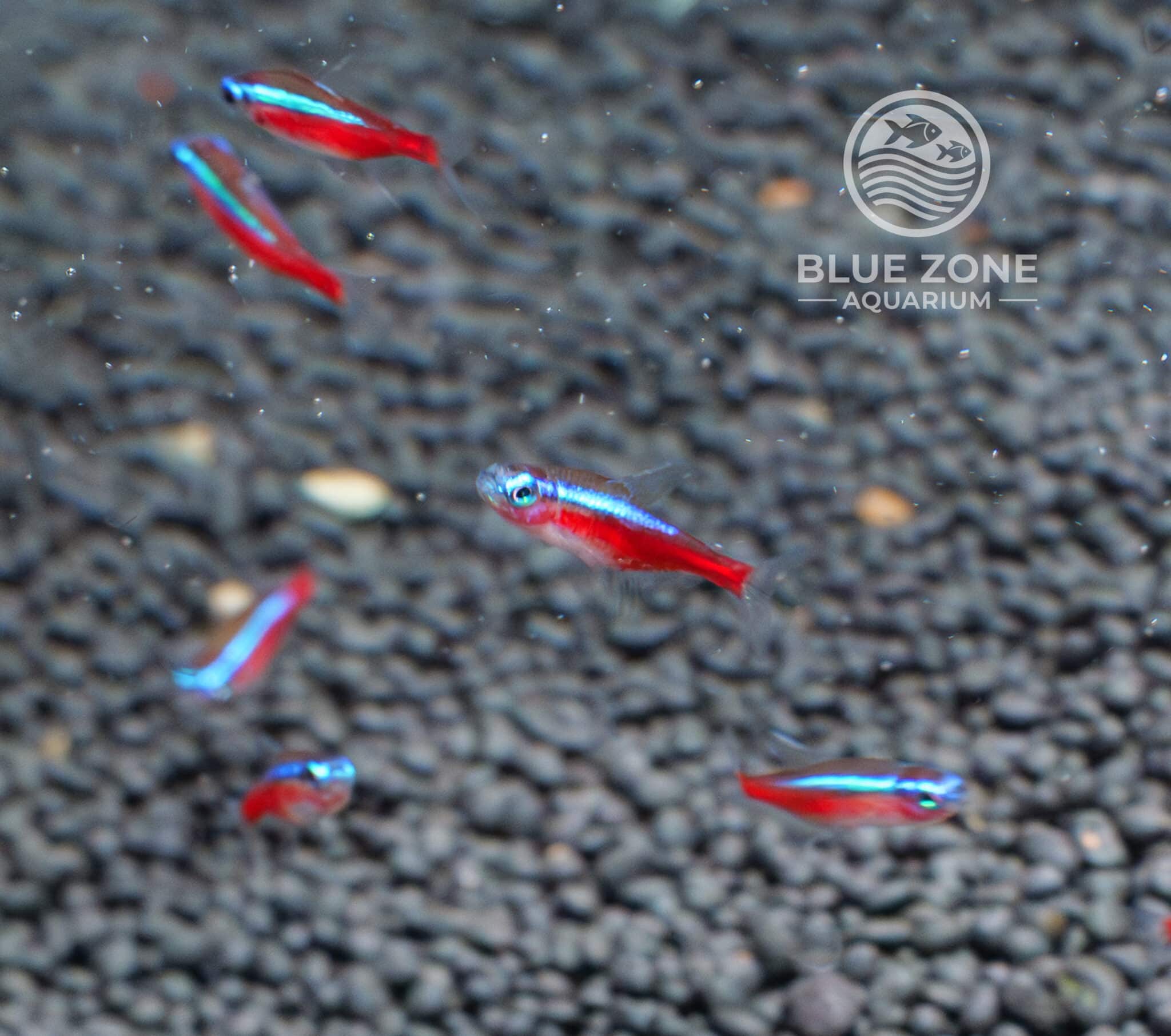
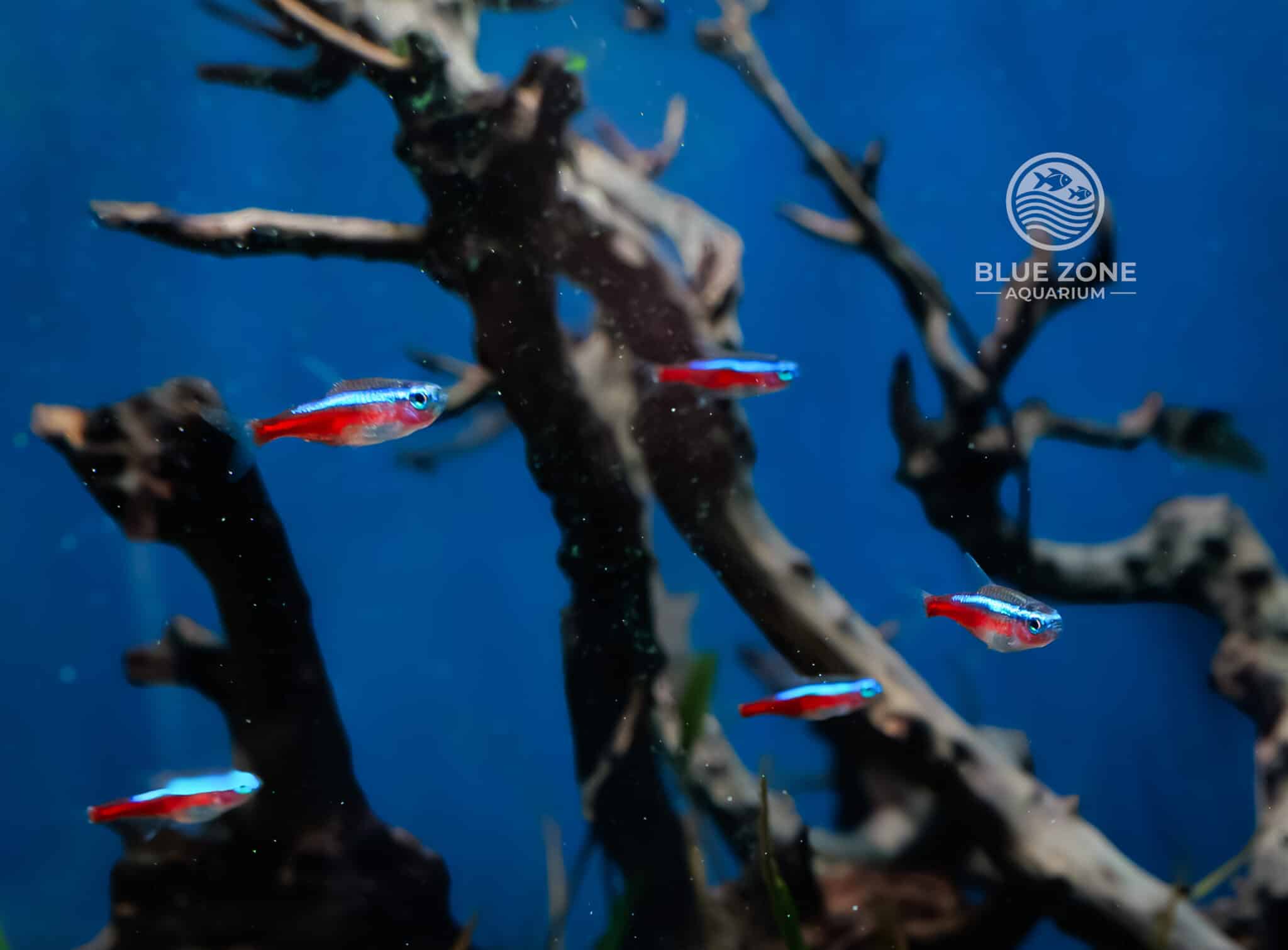
Cardinal Tetra 5 Pack (Paracheirodon axelrodi)
Background
The Cardinal Tetra originates from the blackwater tributaries of the Rio Negro and upper Orinoco basins in South America. These environments are naturally soft, acidic, and shaded by dense rainforest canopy. The species evolved in dimly lit waters rich in tannins where their reflective blue stripe and vivid red coloration help schooling fish maintain visual contact with one another. Many Cardinal Tetras in the aquarium trade are still sustainably collected from the Amazon basin.
Behavior and Temperament
Cardinal Tetras are peaceful schooling fish that thrive in groups. Keeping them in a small group such as this 5-pack allows them to feel secure and display natural schooling behavior. They occupy the mid-water column and coexist well with other calm community species. Their synchronized swimming and constant activity add movement and life to planted aquariums.
Adult Size
Adults typically reach about 2 inches (5 cm).
Water Parameters
Temperature: 74–82°F (23–28°C)
pH: 4.5–7.5
GH: 1–10 dGH
KH: 0–5 dKH
While they originate from very soft blackwater habitats, tank-raised individuals adapt well to stable community aquarium conditions. Consistency in water parameters is more important than targeting exact numbers.
Diet
Cardinal Tetras are omnivorous and feed on small foods in the water column. High-quality micro pellets, crushed flakes, frozen cyclops, daphnia, and baby brine shrimp are all readily accepted. A varied diet helps maintain strong coloration and overall health.
Tank Requirements
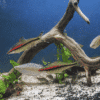
A planted aquarium with subdued lighting best replicates their natural habitat. Driftwood, plants, and darker substrates help intensify their colors and provide security. Gentle filtration and stable water conditions are important. Longer aquariums allow schooling behavior to develop naturally.
Why They’re Popular
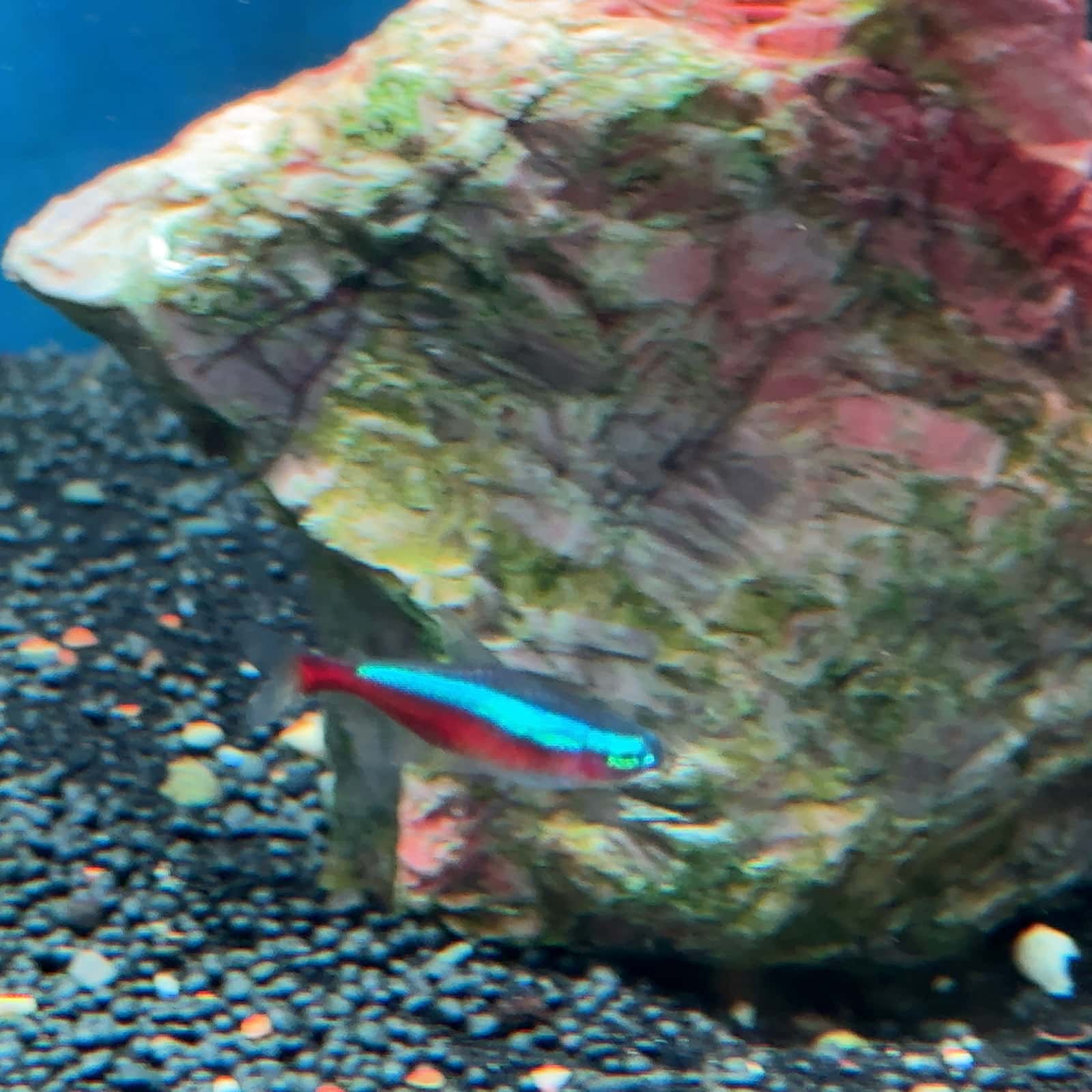
Cardinal Tetras are popular because of their striking electric-blue stripe and full-length red body. When kept in groups they move together in tight schools, creating one of the most visually striking displays among small community fish.


Reviews
There are no reviews yet.